Information
Landmark: Skansen LejonetCity: Gothenburg
Country: Sweden
Continent: Europe
Skansen Lejonet, Gothenburg, Sweden, Europe
Overview
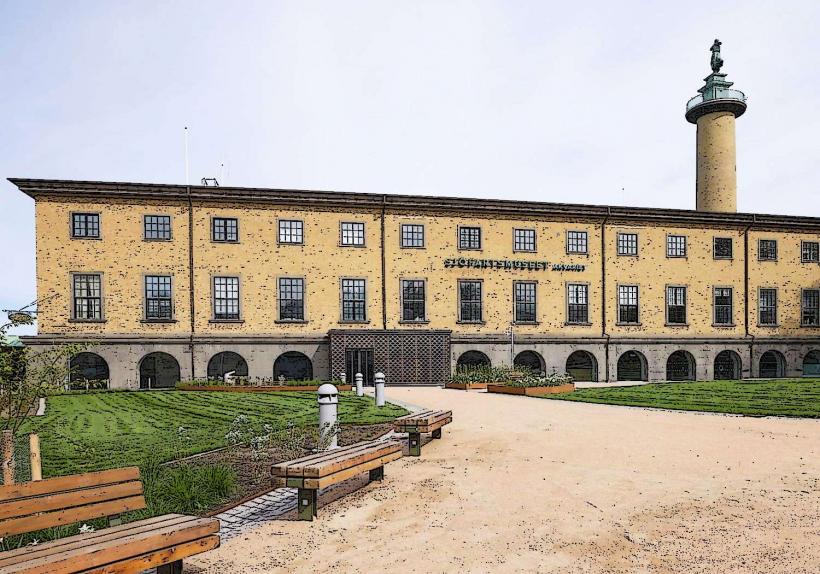
Somehow, Skansen Lejonet, or “Lion’s Skansen,” is a historic fort that crowns a grassy hill in Gothenburg’s Hisingen district, Sweden, subsequently it’s one of the city’s best-known landmarks, with a history that echoes through its stone arches and a design that still turns heads.The structure is closely tied to Gothenburg’s military past, offering a glimpse of the cannons, walls, and other defenses once used to guard the city centuries ago, in addition one.Perched on Ramberget hill in Gothenburg’s Hisingen district, Skansen Lejonet overlooks the city like a stone guardian, to boot from here, you can take in sweeping views of the city and the hills beyond, making it a perfect stop for travelers who love history as much as a breathtaking skyline, for the most part Honestly, The fortification went up in the early 1600s to guard the city, built under the reign of Gustav II Adolph-Sweden’s King Gustavus Adolphus-when cannon smoke often hung in the air, likewise they built it to shield the city from naval assaults, especially from the open sea, since Gothenburg’s spot on the coast made it a crucial port where ships crowded the harbor.The fortification was named “Lejonet” (the Lion) after a stone lion that stood guard at its entrance, a familiar sight in the city’s fortress designs of the time, therefore number two.Skansen Lejonet was built in a star-shaped fort style, the kind you’d spot in many Renaissance and Baroque military forts, with angled walls meant to catch the light and deflect cannon fire, meanwhile thick stone walls, steep ramparts, and well-placed cannons turned the fort into a powerhouse of defense in its day.The design also features a moat, with still water glinting in the sun, and a sturdy gatehouse guarding the entrance, meanwhile lion Statue: This famed sculpture of a lion, the very one that lent the fort its name, stands out as one of its boldest features, its stone mane catching the afternoon light.The stone lion stands guard at the gate, a proud symbol of strength and protection that’s been tied to this destination for generations, as well as at its heart stands a solid core, ringed by towering defensive walls that cast long shadows in the afternoon sun.A gatehouse marks its unique entrance, and a dry moat circles the walls, once crucial for stopping anyone from walking straight up to them, along with three.Part of Gothenburg’s defense network, Skansen Lejonet rose from the rocky hilltop to guard the city-especially against enemy ships approaching from the sea, and back then, the fort stood as Gothenburg’s shield, holding off enemy forces with its cannons aimed toward the sea.Frankly, One of several coastal forts, it guarded the Göta River and linked the defenses that stretched all the way to the crisp, choppy waters of the North Sea, on top of that the fort never saw a major battle, yet it stood as a clear warning, its stone walls looming during tense stretches of Europe’s uneasy peace.It stayed at the heart of the city’s defenses, standing watch over the walls, until fresh, more powerful weapons rendered the vintage fort useless, likewise number four.Today, Skansen Lejonet stands as a proud reminder of history, drawing visitors from around the world to Gothenburg-many come to run their hands over its cool stone walls, to boot it’s one of the last traces of the city’s early military architecture, a stone relic that lets you glimpse Gothenburg’s historic defense lines, generally At Skansen Lejonet, visitors can wander through the timeworn fortress, hike along its stone walls, and take in the open grounds around it, in addition from the site, you can take in sweeping views of Gothenburg-the glittering Göta River, the skyline’s mix of timeworn spires and modern glass, and stretches of countryside fading into the distance.Oddly enough, You’ll often find the fortress on walking tours, tucked between cobbled streets and timeworn brick warehouses, or woven into a larger journey through Gothenburg’s historic landmarks, as a result the fort also holds cultural value, capturing the era’s architectural style and showing how such strongholds once guarded vital coastal cities against attack.It stands as a proud reminder of Gothenburg’s military past, shaping the city’s identity as a historic port where cannons once guarded the harbor, equally important five.As far as I can tell, While you’re at Skansen Lejonet, it’s easy to explore what’s close by-like Ramberget Hill, where you can hike to the top and spot Gothenburg spread out beneath you, or the Göta River, a winding ribbon of water that’s shaped the city’s history, and stroll along its banks and feel the breeze off the water, or hop on a boat tour to uncover the city’s maritime past.In Hisingen District, you’ll also find historic landmarks, green parks, and cozy cafés tucked beside local shops, while it’s a striking counterpoint to Gothenburg’s busier streets.Skansen Lejonet, with its thick stone walls and hilltop view, lets visitors step back into the city’s past and view it through the eyes of its military history, equally important the fortress anchors the city’s defenses, its stone walls standing firm for centuries, and from the top you can view the river winding away into the hills.History lovers, architecture fans, and anyone chasing a fresh view of Gothenburg can all find something to love at Skansen Lejonet, a stone fortress that still stands as one of the city’s unmissable landmarks.
Author: Tourist Landmarks
Date: 2025-09-04